


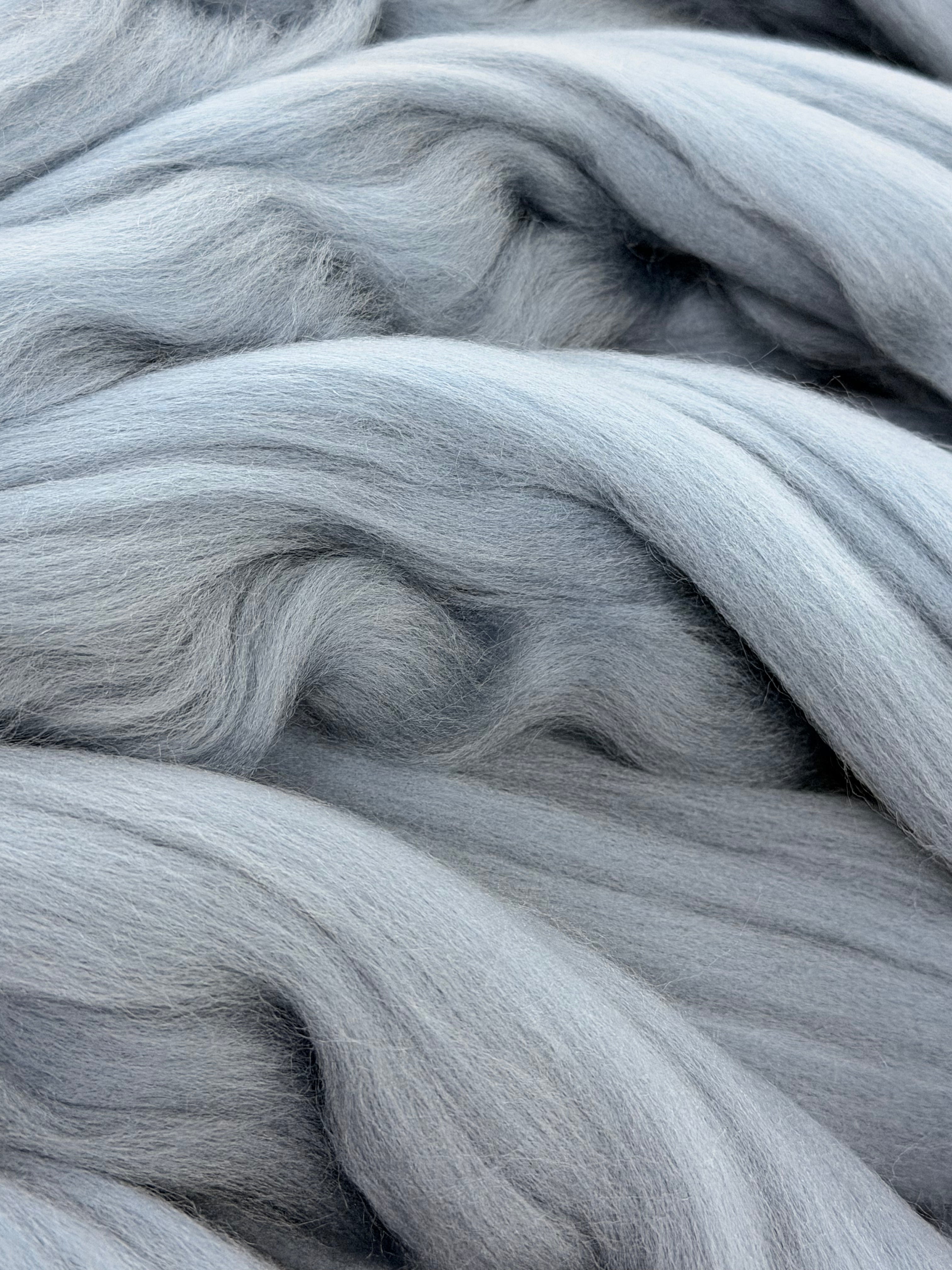
INNOVATION AT THE HEART OF OUR PROCESS
Experimentation is an integral part of our creative process. We’re constantly questioning, testing, and exploring new ways of doing things – whether it’s fabric innovation or refining our production systems. Being so focused on genuine sustainability, we encounter a lot of restrictions within design and production. Ultimately, though, it’s these challenges that encourage creative problem solving and inevitably lead us to greater ideas and innovation.
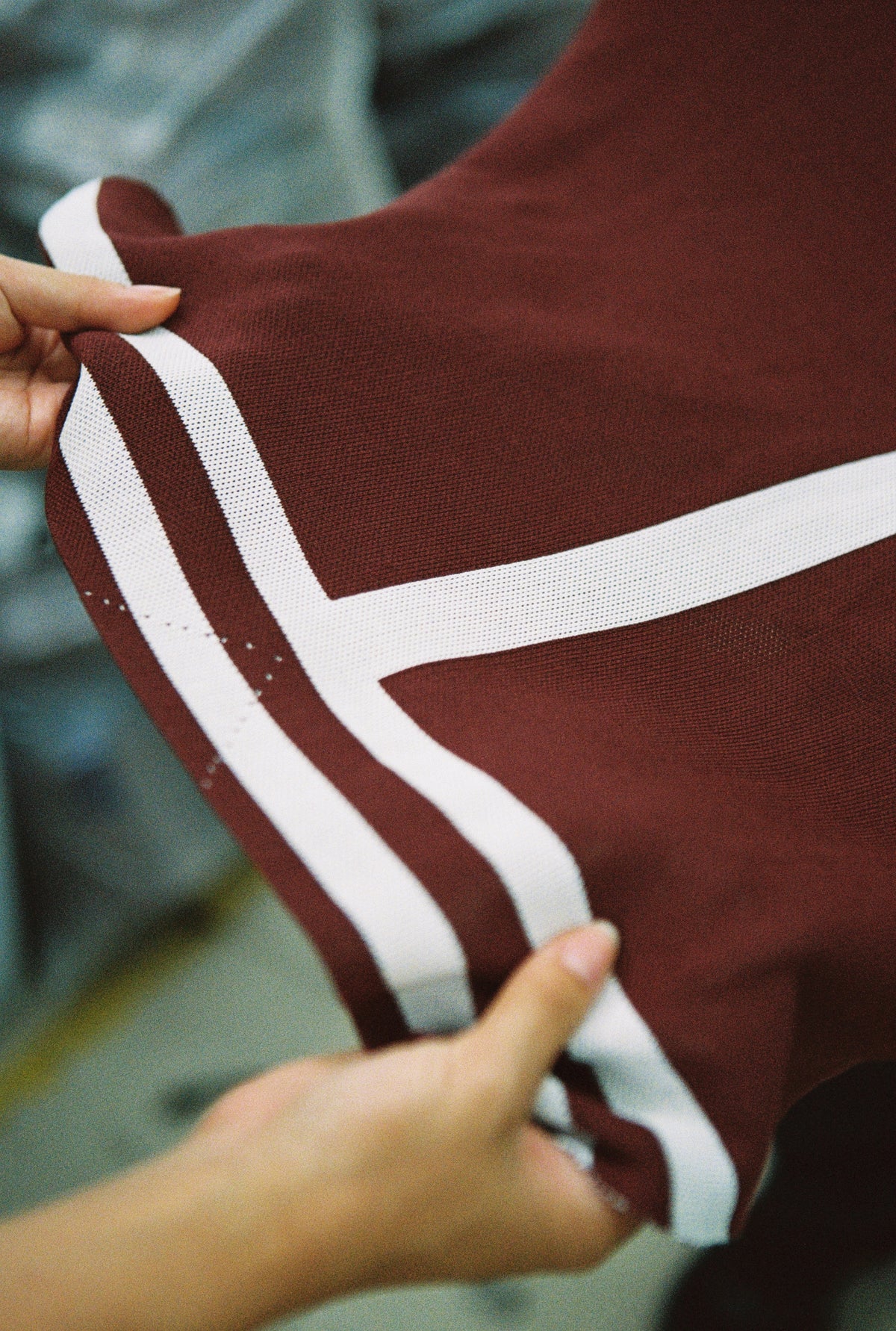
When Nagnata launched in 2015, natural fibres weren’t commonly used in sportswear for stretch garments because the yarns tend to break easily during the knitting process. This is one of the main challenges we continue to face when dreaming up new ways of working with natural fibres. The technical knit fabrications that have become synonymous with Nagnata have taken years of testing to perfect, and it was worth it for the results.
Finding the ultimate balance between style and sustainability is what keeps us moving forward, pursuing new ideas and pushing boundaries in the industry. The potential for future growth and innovation far beyond anything we’ve seen before exists at the intersection of these two ideas – and for us, that’s the most exciting place to be.
NATURAL, RENEWABLE, ORGANIC
One of Nagnata’s founding intentions was to disrupt the performance wear market by moving away from using synthetic fibres commonly found in clothing of this kind. We wanted to create a uniform for movement made primarily from natural fibres, which are far better for the health of people and the planet.
A key fibre used in Nagnata’s Movement knitwear and lifestyle lines is GOTS certified organic cotton. The launch collection, ‘Movement 001’, was made using 85% organic cotton in each garment and still remains an essential fibre featured in all of our movement and lifestyle lines today.
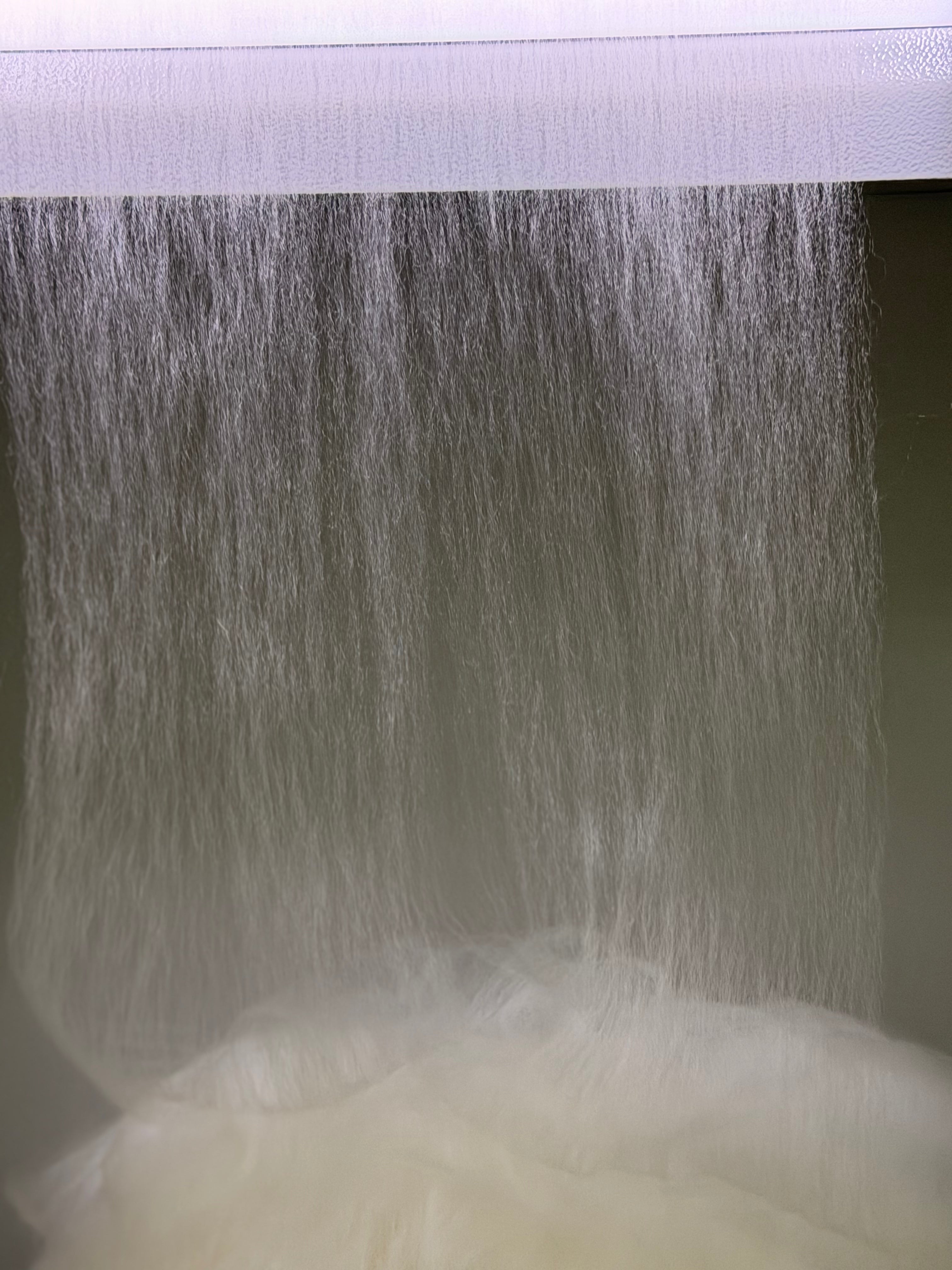
Merino wool is also an important fibre featured in Nagnata collections. Merino Wool is a natural and renewable fibre, grown year-round by Merino sheep. Merino Wool is one of the world’s most technically advanced natural fibres, with unique moisture and temperature regulating properties. Wool in general is durable and naturally antibacterial, which means there’s less need for frequent washing. When cared for properly, woollen garments will last for many years.
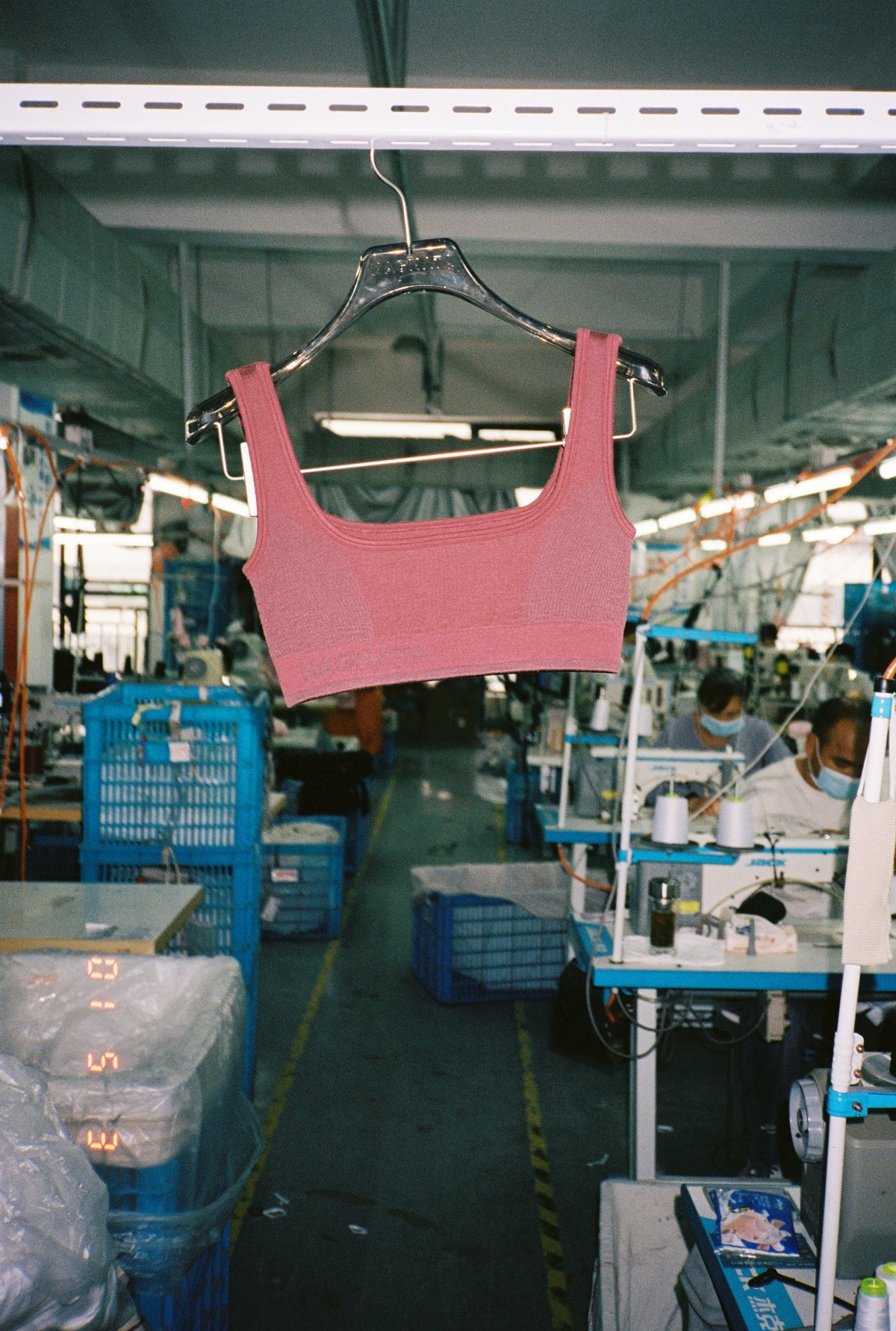
Nagnata was fortunate to form a close partnership with The Woolmark Company early on. Using superfine Australian Merino Wool, we collaborated with the iconic Australian company to create an innovative seamless Core performance fabrication on circular knit machines. Since then, we’ve continued to develop new Merino Wool fibre blends and fabrications, working closely with yarn spinners and knitwear technicians. We remain committed to pushing boundaries in the performance wear space by constantly seeking to improve durability, longevity and functional factors in each of our collections.
In addition, we have been working on shifting all Merino collections to RWS Wool, also known as Responsible Wool Sourcing. RWS is a voluntary standard that addresses the welfare of the sheep and the land they graze on. Merino Wool has a lower water footprint than organic cotton and polyester. Organic cotton has both low carbon emissions and low–medium water consumption impacts. Virgin synthetic fibres are extremely water intensive, which is why we’re aiming to replace all virgin synthetics with recycled synthetics where unavoidable content is required in small amounts (mainly for the stretch component of a garment).
Looking back, we’re extremely proud of how far we have come in our efforts towards making Nagnata an ethical and sustainable business. There’s still a long way to go, but we know that with each conscious action we take, we’re one step closer to meeting our most ambitious goals.
MINIMISING WASTE
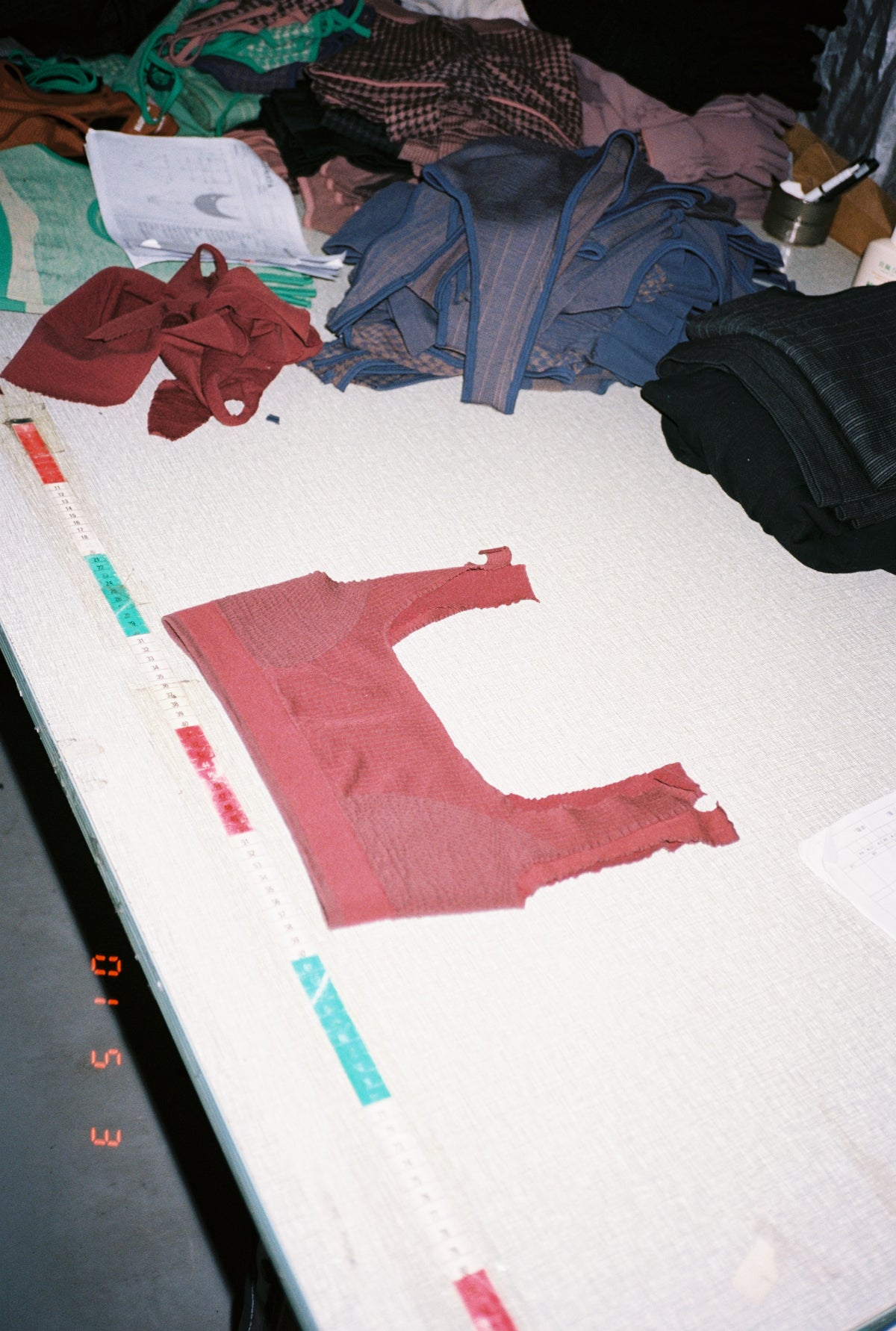
Excess waste is one of the biggest environmental issues we face as an industry. Since the launch of our very first collection, Nagnata has been committed to minimising the overall waste of raw materials in our production, opting to work primarily with engineered knits over cut-and-sew garments. The great thing about engineered knitwear is that minimal or zero yarn waste is achievable compared with cut-and-sew garments, which produce substantial offcuts that usually end up in landfill. With approximately 35% of all materials in the supply chain ending up as waste before a garment is even created, this is something that Nagnata has been able to negate by knitting garments to shape and avoiding fabric offcuts. By utilising this technique we have the ability to experiment with new yarn combinations, allowing us to introduce a new concept and style of garment into the market not yet available in the lifestyle/performance-wear space.
Since expanding our collection categories to include fabrics and styles manufactured differently – including the use of circular knit seamless machines required for our Core Merino Wool collections – we do deal with some wastage, which has inspired us to come up with creative ways of re-using offcuts, producing scrunchies and hairbands from excess knit fabrics.